Payment Routes Shaping VIP Progress in Mobile Reel and Table Environments
Sam Lehmann · Aug 21, 2026

Payment Routes Shaping VIP Progress in Mobile Reel and Table Environments
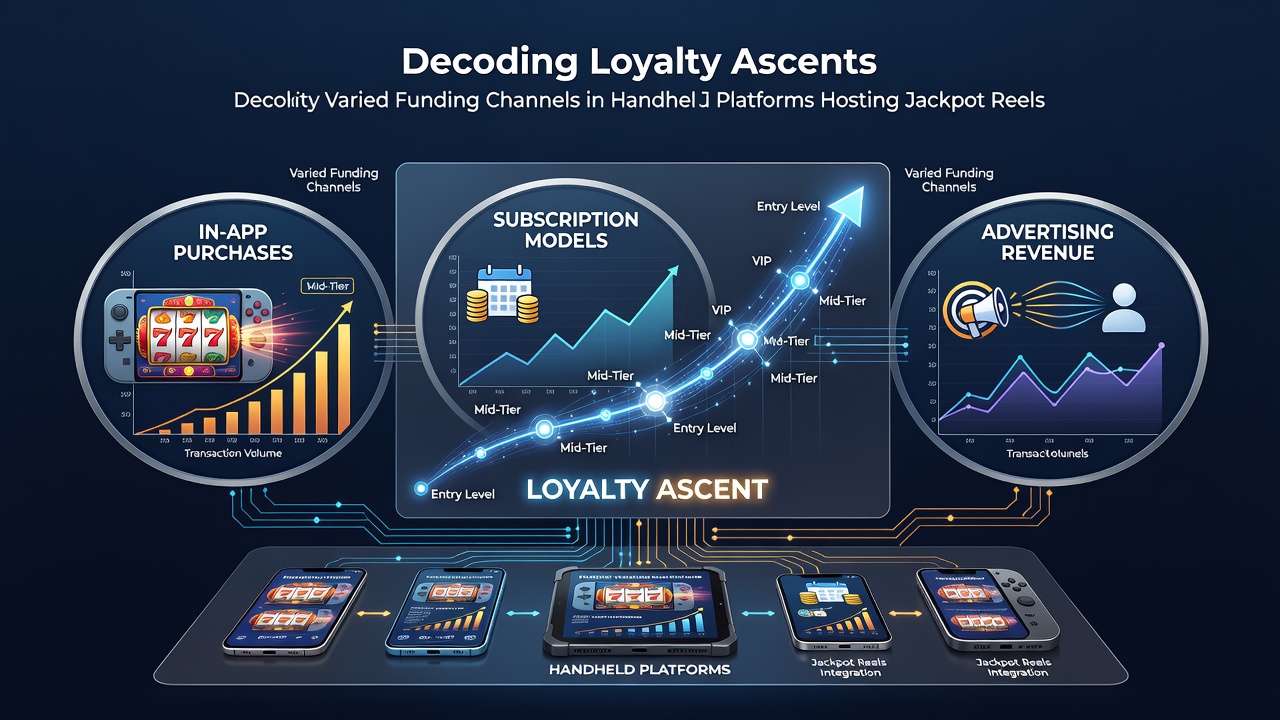
Handheld platforms that combine jackpot reels with dealer sessions rely on several funding channels to move players through loyalty structures, and analysts track these patterns across global markets. Credit cards, digital wallets, bank transfers, and prepaid solutions each carry distinct processing characteristics that operators record when assigning tier points or unlocking benefits. Data from industry reports indicate that settlement speed and verification requirements often align with how quickly accounts accumulate qualifying activity toward higher status levels.
Common Funding Channels and Their Processing Traits
Traditional credit and debit cards remain widely used because they integrate directly with most mobile applications, yet authorization times vary depending on issuer policies and regional banking rules. E-wallets such as those operated by major financial technology firms complete transfers in seconds once accounts are verified, which allows players to resume play without extended interruptions. Bank transfers, while slower on initial deposits, frequently appear in records of sustained activity because they support larger amounts that operators associate with consistent engagement over multiple sessions.
Prepaid vouchers and voucher codes offer another entry point, especially in markets where direct banking links face restrictions. Operators log these transactions separately, and research from gaming associations shows that players who combine multiple channels sometimes reach intermediate tiers faster than those relying on a single method. The correlation appears in aggregated user data rather than individual guarantees, since loyalty algorithms weigh deposit frequency, volume, and game type alongside payment source.
Linkages Between Transaction Records and Tier Advancement
Platform operators maintain internal ledgers that connect each deposit method to account activity metrics. Faster-verified payments tend to appear more often in histories of players who advance through early loyalty stages, according to summaries released by international research groups. Slower but higher-value transfers sometimes correlate with later-stage advancements, where operators emphasize total contribution rather than speed alone. Observers note that these patterns emerge from large datasets collected across thousands of accounts, not from isolated cases.
August 2026 brought updated reporting standards in several jurisdictions that require clearer disclosure of how payment processing times factor into reward calculations. Those changes prompted operators to publish more granular breakdowns of funding sources used by tiered members, giving external analysts additional material for cross-market comparisons. The adjustments also highlighted regional differences, with European and North American platforms showing distinct preferences for wallet-based versus card-based activity at higher loyalty levels.
Regional Variations in Payment Preferences
Markets in Asia-Pacific regions demonstrate higher adoption of local digital wallets that integrate with regional banking networks, and operators there report corresponding differences in the speed of tier movement compared with platforms focused on North American users. Canadian regulatory filings from provincial gaming bodies reveal that bank transfer usage remains elevated among players who maintain activity across both slot and live dealer sections. Australian industry summaries similarly track how prepaid options support entry-level participation before accounts shift toward established payment profiles.
These geographic distinctions matter because loyalty programs often calibrate point thresholds to local transaction norms. A payment method that processes reliably in one region may encounter additional verification layers elsewhere, altering the timeline for status elevation. Researchers at academic centers studying digital gambling have documented these variations through anonymized transaction samples, confirming that no single channel dominates every market segment.
Operational Considerations for Platform Providers
Operators adjust loyalty parameters periodically to reflect changes in available payment infrastructure. Integration with newer instant settlement services can shift how quickly new deposits register toward tier requirements, while legacy methods continue to serve established user bases. Compliance teams monitor these adjustments against evolving financial regulations, ensuring that point allocation remains consistent with disclosed program rules.
Platform updates released throughout 2025 and into 2026 incorporated additional tracking fields for payment source categorization. The modifications allow more precise segmentation of player cohorts, which in turn supports targeted benefit distribution. Industry organizations have compiled comparative tables showing average time-to-tier across different funding combinations, though individual outcomes continue to depend on play patterns and total activity volume.
Conclusion
Payment channel selection intersects with loyalty progression through measurable operational pathways rather than direct causation. Aggregated records from multiple jurisdictions demonstrate consistent associations between transaction characteristics and tier movement rates, while regional preferences shape which methods appear most frequently at each level. Continued regulatory updates, including those implemented around August 2026, are expected to increase transparency around these linkages without altering the underlying data patterns already observed across handheld platforms.