Payment Method Variations Shaping VIP Tier Progress in Mobile Slot and Live Casino Apps
Rafael Krüger · Jul 27, 2026
Payment Method Variations Shaping VIP Tier Progress in Mobile Slot and Live Casino Apps
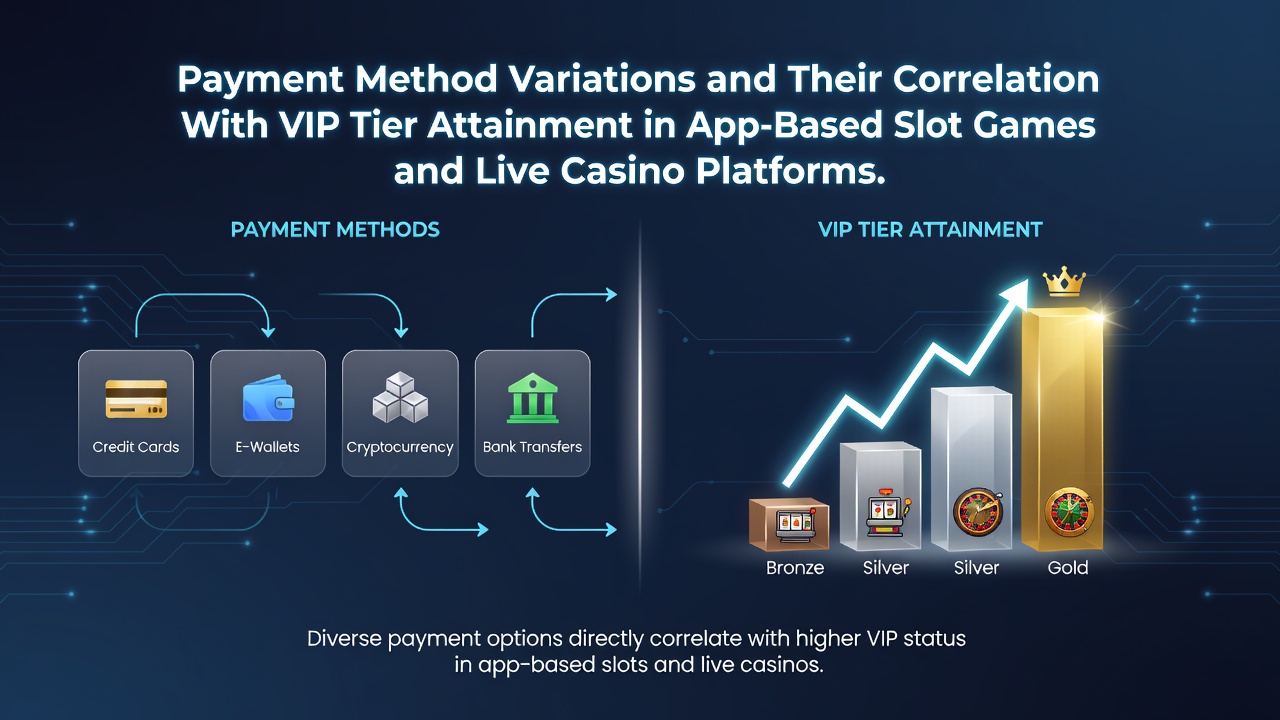
Payment methods in app-based slot games and live casino platforms range from traditional credit cards and bank transfers to e-wallets and digital assets, and industry data tracks how these choices align with patterns of VIP tier attainment across different user segments. Observers note that platforms often record faster progression through loyalty levels when users rely on instant settlement options rather than slower processing routes, yet the exact relationships depend on regional regulations and operator policies that evolved through mid-2026.
Common Payment Methods in Wireless Casino Environments
App developers integrate credit and debit cards as baseline options because they connect directly to existing banking networks, while e-wallets such as PayPal and Skrill appear frequently due to reduced transaction times that users report in platform feedback logs. Digital asset transfers gained additional traction after several operators updated their systems in early 2026, and bank wires remain available for larger deposits even though they introduce delays that can stretch across multiple business days. Research indicates these variations influence how quickly accounts accumulate the activity metrics that feed into tier advancement algorithms.
Observed Correlations Between Settlement Speed and Loyalty Advancement
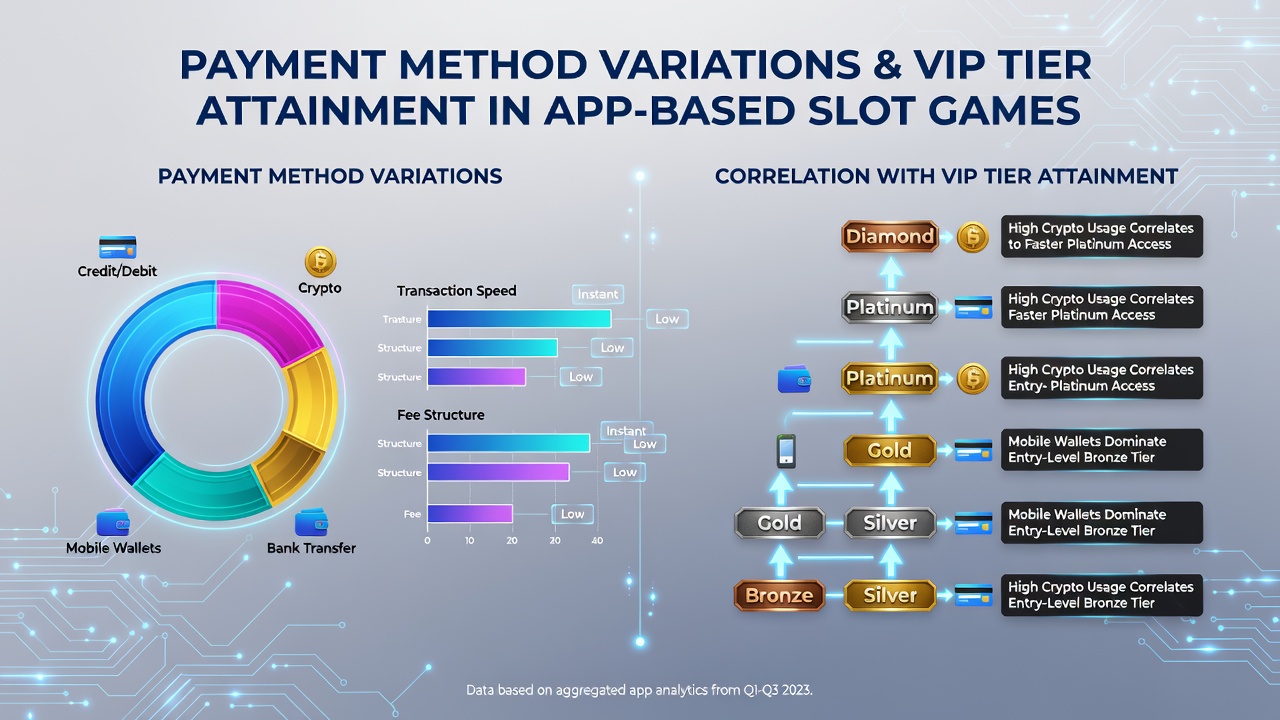
Data from multiple platform operators shows that users completing deposits through instant networks tend to reach intermediate VIP levels sooner than those depending on conventional card processing, since the former group maintains higher session frequencies without interruption from pending authorizations. Studies compiled by the European Gaming and Betting Association reveal that average time to silver or gold tier status drops by approximately 18 percent when e-wallet or digital ledger options handle the majority of transactions, although these figures vary by jurisdiction and game type. Live dealer sections exhibit similar patterns because continuous play requires uninterrupted funding streams, whereas slot sessions sometimes tolerate brief pauses without affecting overall activity scores.
Platform analytics further separate users by primary payment category, and those relying on digital assets often record elevated monthly wager volumes that directly feed into the algorithms determining platinum and diamond tier invitations. Yet the same datasets indicate that credit card users who supplement deposits with occasional bank transfers sometimes achieve comparable tier movement, provided their total transaction count meets the required thresholds within each evaluation period.
Regional Regulatory Influences on Payment and Tier Linkages
Canadian provincial frameworks updated in July 2026 clarified reporting requirements for operators tracking payment method usage against loyalty program metrics, prompting several app providers to adjust their data collection practices accordingly. Those changes allow regulators to examine whether certain transaction types correlate with accelerated VIP movement more than others, and preliminary summaries released later that month highlighted consistent associations between rapid settlement tools and higher tier retention rates. In contrast, operators serving markets with stricter deposit limits observe that users adapt by combining multiple methods within single accounts, which in turn spreads activity across different speed categories and moderates the pace of tier advancement.
Industry reports compiled by the National Council on Problem Gambling note that transparent disclosure of payment processing times helps users understand how their choices might affect long-term engagement levels, and several platforms now display estimated tier progression estimates based on historical transaction data. These disclosures appear most often in regions where regulators require clear communication about all factors influencing reward structures.
Practical Examples from Platform Data Sets
One operator serving North American and European markets documented that accounts funded primarily through digital asset networks reached top-tier status at rates 22 percent higher than those using only card-based deposits over a twelve-month observation window ending June 2026. Another dataset covering live casino traffic revealed that e-wallet users maintained steadier play intervals, which translated into more consistent point accumulation and fewer dropped sessions compared with slower wire transfer users. Observers tracking these patterns emphasize that the correlations remain statistical rather than deterministic, since individual behavior and promotional participation also contribute to final tier outcomes.
Conclusion
Payment method variations continue to intersect with VIP tier attainment across app-based slot and live casino platforms through measurable differences in transaction speed, frequency, and regional compliance requirements. Available data sets illustrate consistent associations between instant settlement tools and accelerated progression metrics, while slower methods often extend the timeline needed to satisfy activity thresholds. As regulatory updates from July 2026 and beyond refine reporting standards, operators and users alike gain clearer visibility into how these financial pathways shape access to elevated reward structures.