Highway 16 Gamble: Mosquito Grizzly Bear’s Head Lean Man First Nation Drives $100M Casino Resort Forward in North Battleford
Rafael Krüger · Apr 17, 2026

Highway 16 Gamble: Mosquito Grizzly Bear’s Head Lean Man First Nation Drives $100M Casino Resort Forward in North Battleford
Project Momentum Builds in Saskatchewan's North Battleford
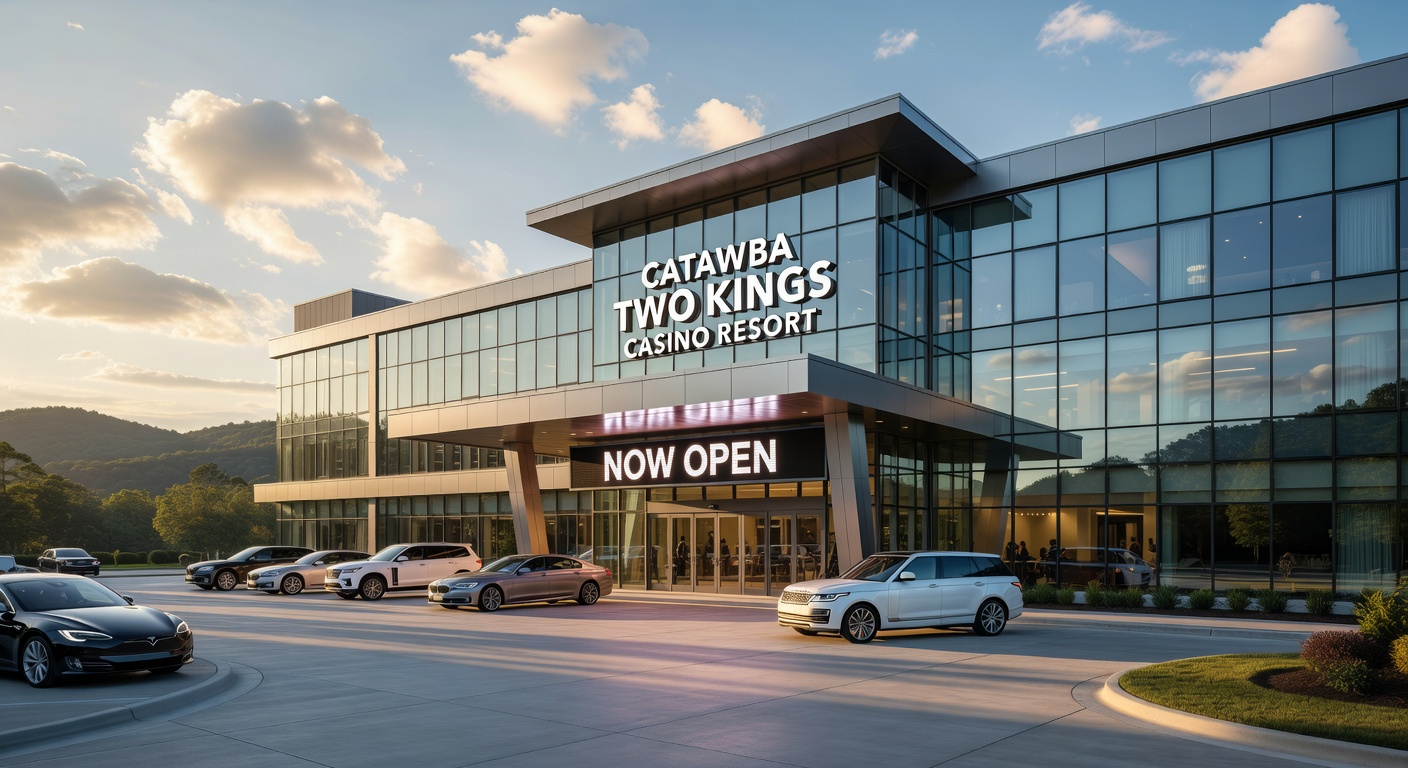
The Mosquito Grizzly Bear’s Head Lean Man First Nation (MGBHLM) continues to push ahead with its ambitious $100 million casino and resort initiative, relocating the existing Gold Eagle Casino to a sprawling 67-acre parcel along Highway 16 West in North Battleford, Saskatchewan; this move promises not just a fresh venue but a full-scale upgrade featuring a new hotel and convention center designed to draw crowds from across the region.
Details emerged clearly during a community meeting held on April 14, 2026, where stakeholders gathered to hear updates on the project's steady progress, and construction timelines now point to a three-year build that will reshape local landscapes while injecting economic vitality into the area.
Figures reveal the scale: over 350 jobs during the construction phase alone, followed by 400 long-term positions once operations kick off, and projections estimate around 500,000 annual visitors, numbers that underscore the venture's potential to elevate tourism and foster greater economic self-sufficiency for the First Nation.
From Current Operations to Expansive Horizons
Currently, the Gold Eagle Casino operates as a key asset under MGBHLM management, but leaders envision a bigger play by shifting it to this prime highway-front location, where accessibility meets opportunity; Highway 16 West serves as a vital corridor, connecting North Battleford to broader networks that funnel travelers toward promising entertainment hubs.
What's interesting here is how the project aligns with broader patterns in Indigenous-led gaming developments across Canada, where communities leverage such initiatives to build sustainable revenue streams; according to reports from the Saskatchewan Indian Gaming Authority (SIGA), these efforts often multiply local impacts through job creation and visitor influx.
Take the planned hotel and convention center, for instance: they stand ready to host events that extend beyond gaming, attracting conferences, weddings, and gatherings that keep facilities buzzing year-round, while the casino itself will feature expanded gaming floors tailored to modern tastes.
Key Voices Shape the Path Forward
At the forefront stands MGBHLM Chief Tanya Stone, who has championed the vision, alongside FSIN Chief Bobby Cameron, SIGA CEO Zane Hansen, and North Battleford Mayor Kelli Hawtin; these figures converged at the April 14 meeting, offering insights that bridged community concerns with project realities, and their involvement signals strong collaborative backing from First Nation leadership, provincial gaming bodies, and municipal partners.
Chief Stone highlighted timelines during the session, noting how the three-year construction window balances ambition with practicality, whereas Hansen from SIGA emphasized operational synergies that could streamline the transition from the old site.
Mayor Hawtin, representing North Battleford, pointed to the visitor projections as a boon for surrounding businesses, since 500,000 annual guests translate to packed restaurants, fueled gas stations, and thriving retail spots; it's a ripple effect that's played out in similar Saskatchewan projects, where gaming anchors spark wider growth.
Economic Engines and Job Creation Surge
Numbers tell the story best: 350 construction jobs will roll out over three years, employing local tradespeople in everything from site prep to finishing touches, and those roles pave the way for 400 permanent positions in hospitality, gaming, and management once doors open; observers note how such figures often exceed initial estimates in these builds, especially when community hiring priorities kick in.
But here's the thing with the 500,000 visitors: that forecast draws from traffic patterns along Highway 16, a route that already sees heavy seasonal flows, and data from comparable resorts indicates these crowds boost provincial tourism metrics significantly; for MGBHLM, it means steps toward self-sufficiency, reducing reliance on external funding while reinvesting in health, education, and infrastructure.
One case that mirrors this involves other First Nations in Saskatchewan, where casino relocations have stabilized economies amid shifting industries; Federation of Sovereign Indigenous Nations (FSIN) records show gaming revenues funding scholarships and elder care programs, patterns likely to repeat here.
Timeline and Community Engagement Take Center Stage
The April 14, 2026, meeting marked a pivotal update, with attendees from MGBHLM members to local residents fielding questions on environmental safeguards, traffic management, and cultural integrations; construction kicks off soon after final approvals, stretching across three years that include phased openings to minimize disruptions.
Turns out, engagement like this builds buy-in early, since stakeholders voice input on everything from design aesthetics to job training pipelines, ensuring the resort reflects community values alongside commercial goals; experts who've studied these projects observe that transparent forums, like this one, correlate with smoother executions and higher long-term satisfaction.
And while the 67-acre site offers room for green spaces and walking paths, planners prioritize sustainable practices, from energy-efficient builds to waste reduction strategies that align with First Nation stewardship principles.
Partnerships Fuel the $100 Million Vision
SIGA's role proves crucial, providing operational expertise honed across Saskatchewan's 13 gaming properties, and their CEO Zane Hansen's presence at the meeting underscored commitments to training programs that upskill local workers for casino roles; meanwhile, municipal support from Mayor Hawtin ensures infrastructure ties in seamlessly, like road upgrades that handle the expected visitor surge.
FSIN Chief Bobby Cameron brought a provincial lens, linking the project to wider Indigenous economic strategies that have gained traction since the 1990s gaming compacts; it's noteworthy that these alliances, blending First Nation autonomy with regulatory oversight, have sustained operations through economic ups and downs.
So, as shovels prepare to turn soil along Highway 16 West, the pieces align for a resort that doesn't just relocate a casino but redefines regional prospects, creating legacies through jobs, tourism, and self-determination.
Challenges and Safeguards in the Mix
Yet no large project unfolds without hurdles, and MGBHLM addresses them head-on: regulatory nods from provincial bodies ensure compliance, while community input shapes responsible gaming measures like support hotlines and player education; studies from Canadian gaming associations reveal that such proactive steps keep social impacts in check, allowing economic wins to shine.
Traffic on Highway 16 will ramp up, prompting planned intersections and shuttles, and environmental assessments confirm the site's suitability, preserving wetlands and wildlife corridors nearby; those who've tracked similar builds know that foresight here prevents headaches later.
Conclusion
Mosquito Grizzly Bear’s Head Lean Man First Nation's $100 million casino resort project stands as a testament to strategic relocation and bold investment, with the April 14, 2026, community meeting crystallizing momentum toward a three-year construction sprint that delivers 350 build-phase jobs, 400 ongoing roles, and 500,000 yearly visitors; backed by leaders like Chief Tanya Stone, Bobby Cameron, Zane Hansen, and Kelli Hawtin, this Highway 16 West development on 67 acres promises to elevate North Battleford's profile, bolstering tourism and self-sufficiency in tangible ways.
The reality is clear: when First Nations pair gaming heritage with modern infrastructure, communities thrive, and this initiative exemplifies that formula playing out in Saskatchewan's heartland.